
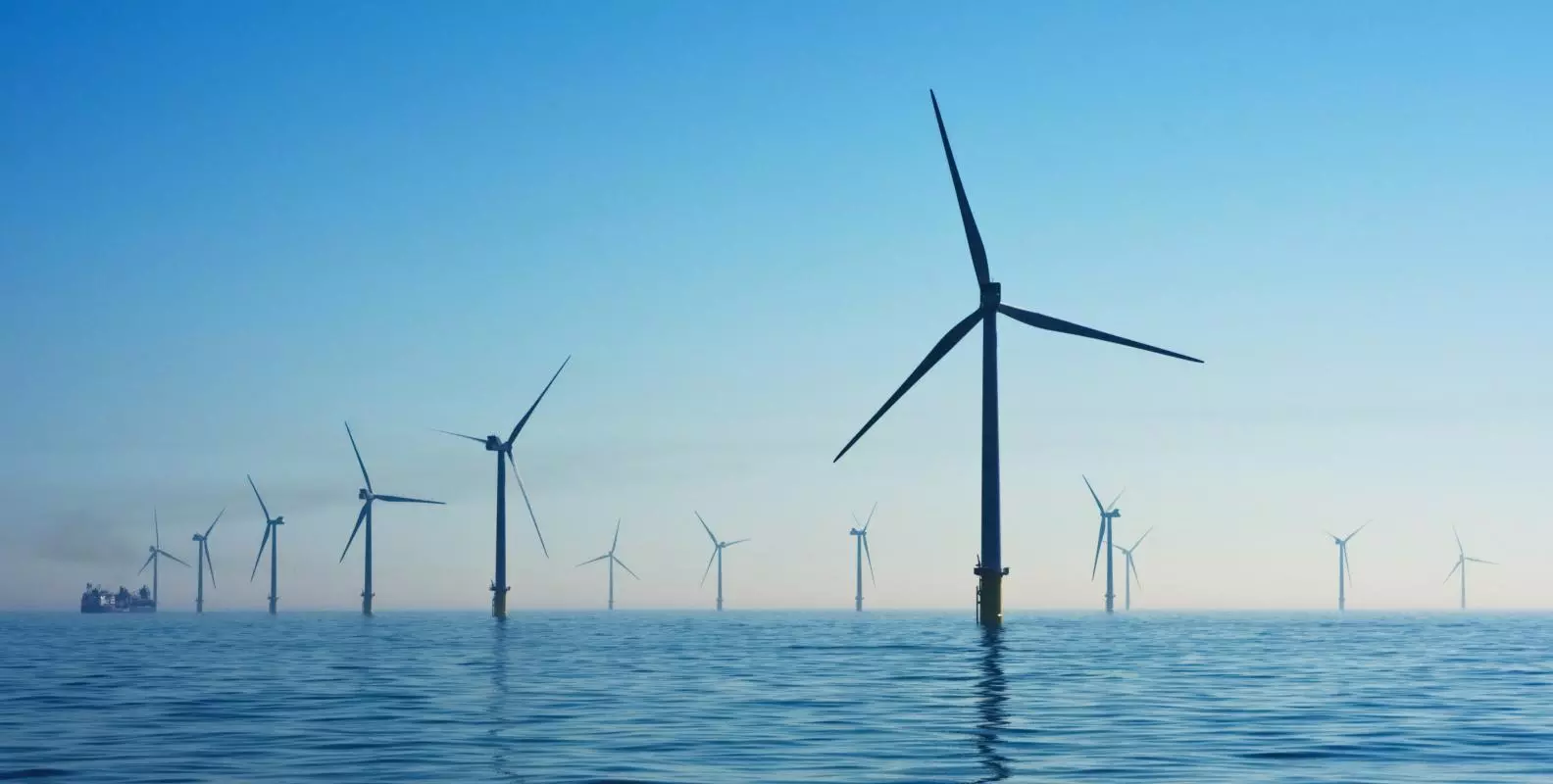
Research activities connect climate risk and global environmental change to technological and institutional innovations to promote security for people, ecosystems and economic growth. Research themes span multiple disciplines from engineering and earth science to policy, politics, economics and geography. In partnership with UK and international research agencies, governments and business, Oxford delivers research excellence and impact.


To play the video, you need to accept cookies for videos.

Recent Publications

nasa q1p7bh3shj8 unsplash

Groups

Addressing the complex challenges of climate change requires bringing together insights and expertise from across Oxford's divisions of Mathematical, Physical, and Life Sciences, Social Sciences, Medical Sciences, and Humanities. Within these, Oxford has a diverse portfolio of outstanding climate research spanning a vast array different departments, institutes and interdisciplinary schools.
elcarito mhnjebeltgw unsplash

Overview

For a takeaway overview of Oxford's climate research, click here for a pdf summary.

PDF last updated July 2021.

jaimie phillips kamss2eucza unsplash

Article Collection


The ORA Climate Research Collection brings together the many journal articles, conference papers, working papers, preprints, and more - produced by the members of the University of Oxford, held with full text by ORA, as well as providing links to related climate research information and activities at the University at other locations.

Cross-Cutting Research Fora
martin sanchez ezy6rc65mue unsplash

Health & Climate Forum

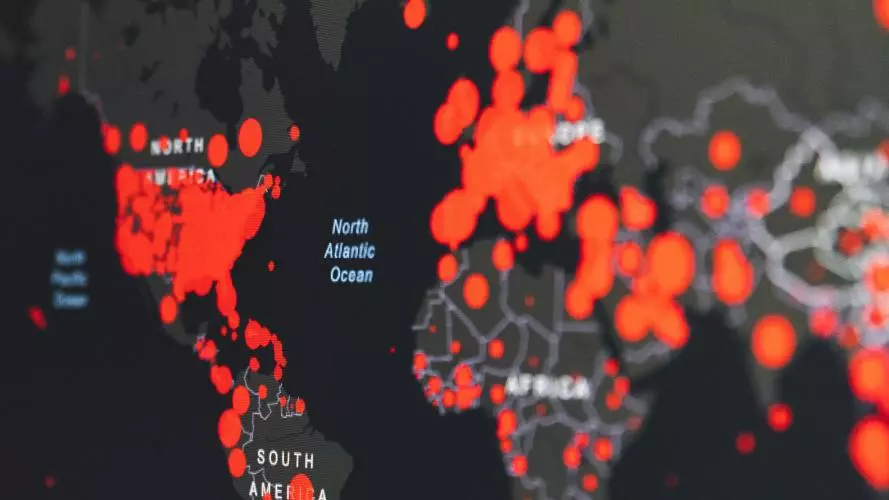
The focus of this effort is to build up inclusive and diverse interdisciplinary teams within the University of Oxford to respond to this challenge, and crucially to work in partnership with our networks of external organisations.
ilona froehlich lklxc4nbukq unsplash

Climate Risk & Resilience Forum

In tackling climate risks and strengthening our resilience, what are the knowledge gaps, research needs, and barriers to action? In 2022OCRN connected researchers, policymakers and practitioners, to pool their expertise to answer these questions.
3692 rs

Future of Education and Training for the Climate

The Future ETC (Future of Education and Training for the Climate) hub will map out relevant expertise at Oxford, and will bring together an expansive network to generate new research insights into education and training for the climate.

Research Programmes and Groups

africa climate

African Climate Research Group

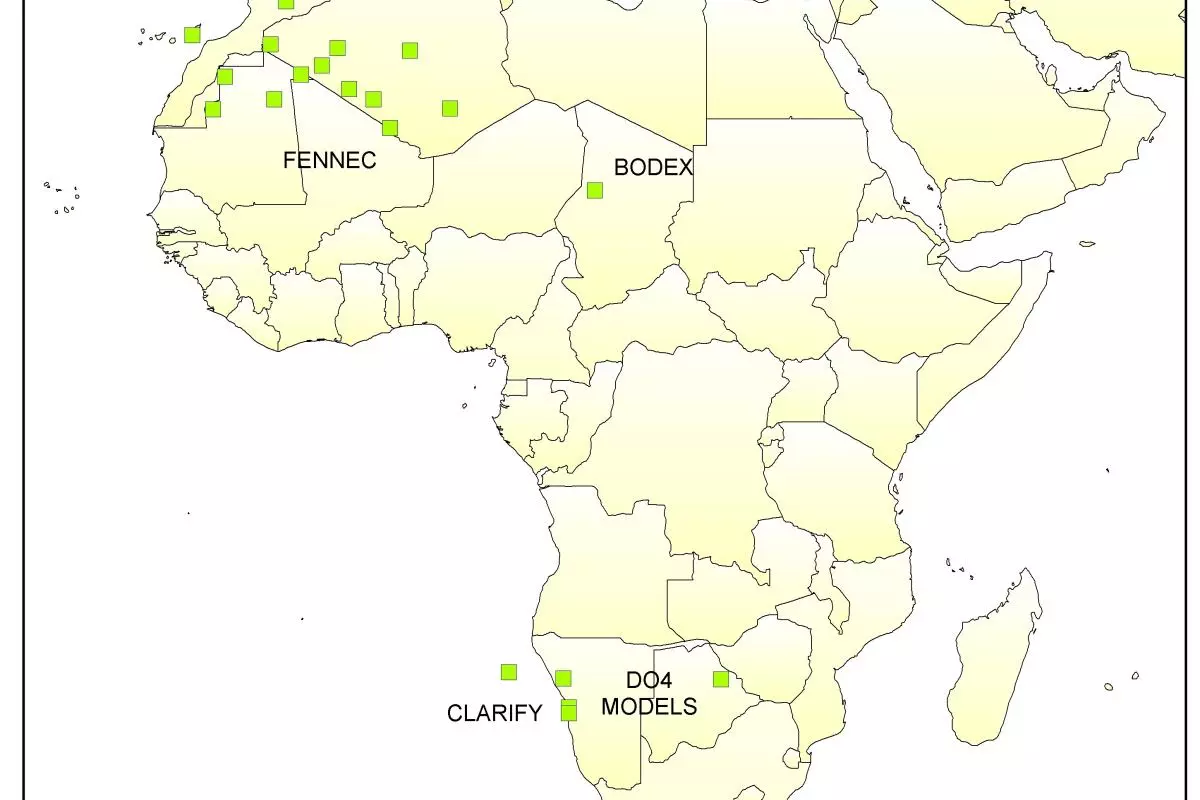
Research cuts across many components of climate science as they apply to Africa with a focus on rainfall dynamics and aerosol emissions.
agile

AGILE Initiative

The Agile Initiative at the Oxford Martin School aims to revolutionise how world-class, high-impact research supports environmental policymaking.
atmospheric processes

Atmospheric Processes

We are interested in fast, small scale atmospheric processes such as clouds, convection, and turbulence.
biodiversity

Biodiversity, Ecosystems and Conservation

Members of this research cluster work on both scientific and social scientific dimensions of the functioning of ecological and biogeographical systems, with principal interests in macroecology, island biogeography, diversity theory, ecosystem dynamics, conservation biogeography, conservation governance, biodiversity and climate adaptation and conservation and traditional ecological knowledge.
biological oceanography

Biological Oceanography

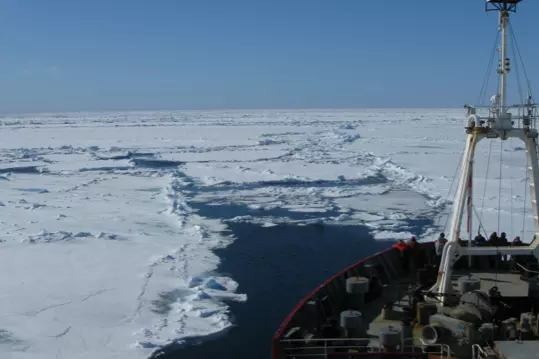
Our research team studies the microscopic flora of the oceans (phytoplankton) which account for half of the photosynthesis on our planet and provide the base of the marine food chain. Our group investigates the diversity and physiology of these single-celled organisms over a range of marine ecosystems, from the poles to the tropics. We use a variety of tools to do this: from molecular markers to earth-orbiting satellites.
azores

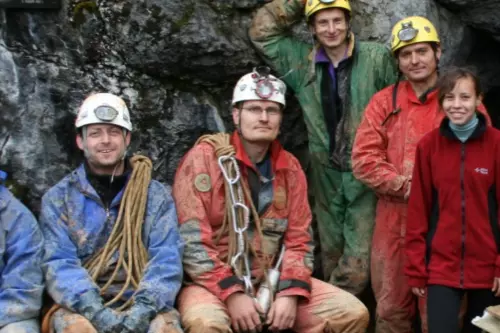
CAVES Africa Project

The project, funded by the Leverhulme Trust (2022-2025), examines the potential impact of climate change on early modern humans over the last 300,000 years. 
climate crisis thinking

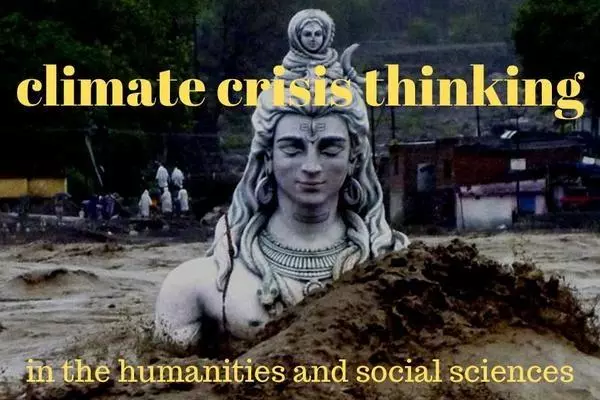
Climate Crisis Thinking

Research in the sciences has not succeeded in bringing about the necessary urgent and wide-ranging societal transformation that we need: the expertise, knowledge, imagination and values of Humanities and Social Sciences need to become central to public and policy conversations around how to respond and adapt to the climate emergency.
Climate Dynamics

Climate Dynamics

Research includes large-scale atmospheric circulation, ocean circulation and climate variability.
cllimate processes

Climate Processes

Our research addresses physical climate processes in the context of anthropogenic perturbations to the earth system as the underlying cause of climate change.

climate vulnerability project banner

Climate Vulnerability Project

The “Varieties of Climate Vulnerability” (Climate Vulnerability) Project is a collaborative research project based in the Department of Politics and International Relations at the University of Oxford.
co2 removal hub

CO2 Removal Hub

The CO2 Removal Hub (CO2RE) is a UKRI-funded gateway to research expertise on Greenhouse Gas Removal (GGR). The programme focuses on solutions-led research into economically, socially, and environmentally scalable GGR options.
commonwealth climate and law initiative

Commonwealth Climate and Law Initiative
The Commonwealth Climate and Law Initiative (CCLI) is a research, education, and outreach project focused on four Commonwealth countries: Australia, Canada, South Africa, and the United Kingdom. The CCLI is examining the legal basis for directors and trustees to consider, manage, and report on climate change-related risk, and the circumstances in which they may be liable for failing to do so.
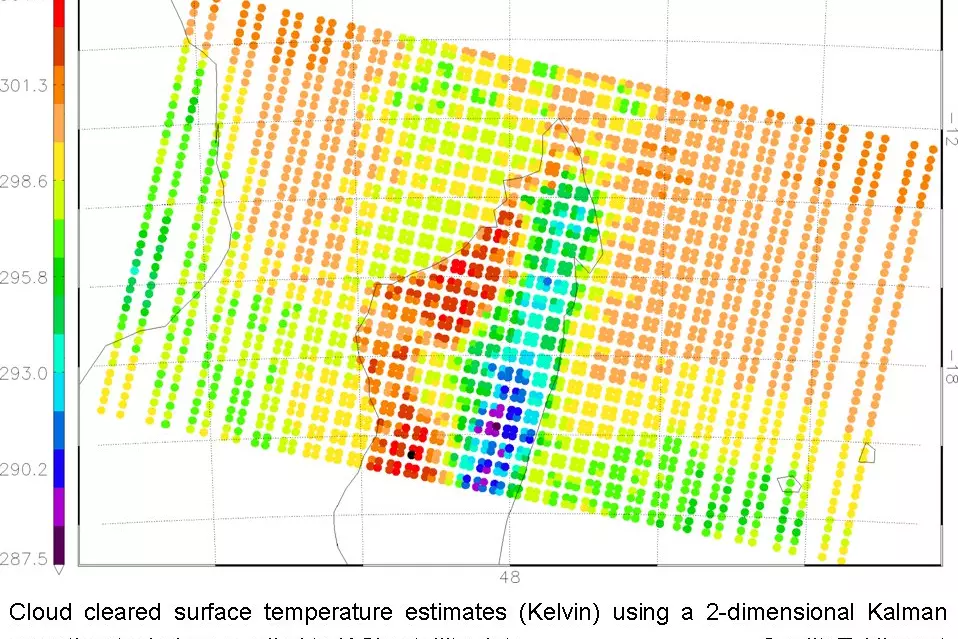
earth observation data group

Earth Observation Data Group

The principal focus of EODG is the retrieval of atmospheric properties (e.g. temperature, pressure, trace gas concentrations, aerosol and cloud properties) from data gathered by Earth Observing satellites.
ecosystems lab

Ecosystems Research Laboratory

Our research aims to understand how contemporary ecosystems function, and how they are affected by global atmospheric change and anthropogenic activity.
energy and environmental informatics

Energy and Environmental Informatics

Energy security and climate change are among the biggest challenges facing us today. We are working with both academic and industrial partners on projects looking for ICT based solutions to some of these problems.
engery and power group

Energy and Power Group

We research sustainable energy systems which accelerate universal access and a net-zero future.
energy uclnews

Energy Demand Observatory and Laboratory
The University of Oxford, alongside University College London (UCL), is to lead on an £8.7m research project to establish an Energy Demand Observatory and Laboratory (EDOL) in the UK. The five-year programme will establish a national energy data platform to help facilitate the transition to net-zero carbon emissions.
windrader 408596 1280 image by florian pircher from pixabay

Environmental Fluid Mechanics Research
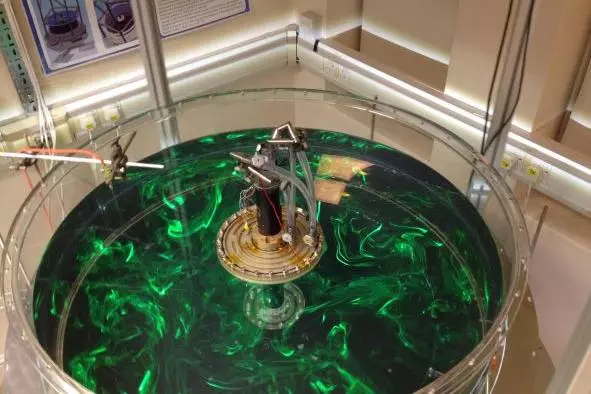
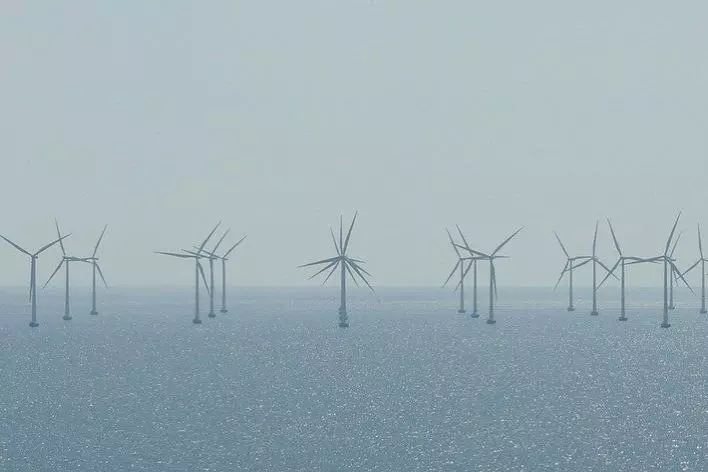
The Environmental Fluid Mechanics group carries out research across a range of different topics and disciplines. The focus of the group is on fundamental research into the fluids mechanics of a range of engineering problems. The group uses a range of numerical, experimental and analytical methods. Research areas include: Tidal Energy, Ocean Waves and Wind Energy
epik

Environmental Proxies in Karst (EPIK)
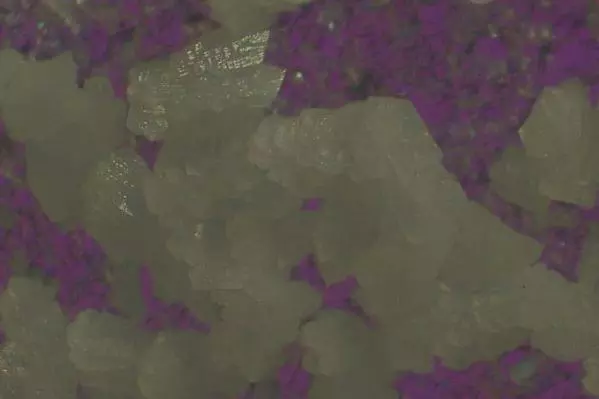
The Environmental Proxies IKarst group, led by Dr Chris Day, develops and applies proxies for understanding environmental processes in the top few tens of meters of the Earth's surface. 
exoplanet atmospheres

Exoplanet Atmospheres

Our research into exoplanet atmospheres spans two sub-departments in Physics, Astrophysics and AOPP, and the Earth Sciences department, and we collaborate under the umbrella of the Oxford Network for Planets.
vegetables 752153

ECI Food Systems Research

To use an integrated food systems approach and innovative methods and tools to help a wide range of stakeholders develop and implement enhanced food system policy and practice. Research is aimed at delivering outcomes better balanced across food security, livelihoods and enterprise, and environmental goals.
future of cooling

Future of Cooling

Our research focuses explicitly on creating solutions, including policy influence on cooling energy demand and social aspects of climate mitigation, the design and implementation of alternative supply chains, enhancing the uptake of the best-in-class refrigerant gases as well as evidence-based guidelines to better handle the healthcare burden of severe heat.
future of food

Future of Food

The Oxford Martin Programme on the Future of Food is an interdisciplinary programme of research and policy engagement concerning all aspects of the food system, based at the University of Oxford.
geophysical and astrophysical fluid dynamics

Geophysical and Astrophysical Fluid Dynamics

Fluid dynamics underpins our understanding of a huge number of phenomena in geophysics and astrophysics, ranging from small, dusty vortices generated by the wind in your garden up to convection in the interiors and atmospheres of stars and planets or the self-gravitating motions of giant clouds of gas and dust that permeate the galaxy from which stars are borne.
gchu logo cmyk fullcolour

Global Centre on Healthcare and Urbanisation (GCHU)

The Global Centre on Healthcare and Urbanisation (GCHU) seeks to make urban centres environmentally, economically, and socially sustainable, and to provide an environment that supports and sustains health and wellbeing.

HESTIA

We provide free and methodologically harmonised data on the production practices and environmental impacts of farms and food products. Our calculation tools and data format enable farms and supply chains to quantify, communicate, and reduce their impacts.

Hydro-Climate Extremes

Our research group develops computational approaches to detect, attribute, and predict how changes in climate and land cover may affect water and weather extremes over sub-daily to multi-decadal timescales (in the past and future). Our work primarily covers floods, droughts, extreme heat, and heavy rainfall, but also groundwater, soil moisture, wildfires, tropical cyclones, atmospheric rivers, reservoirs, and river dynamics.
ice and fluid dynamics

Ice and Fluid Dynamics

The Ice and Fluid Dynamics research group focuses on improving understanding of fluid dynamical processes that contribute to controlling the climate state, with a particular emphasis on interactions between the cryosphere and ocean circulation.
economics of sustainability

INET Economics of Sustainability

The goal of INET Oxford's work on sustainability is to develop insights that can help lead us to a new economic model that enables humankind to prosper within the "safe operating space" of our planet's physical and ecological systems.
pexels pixabay 373543

Intelligent Earth

Intelligent Earth brings together academics from key environmental science and AI departments across Oxford with non-academic partners to train a new generation of DPhil students to tackle some of the most pressing environmental issues using AI through five closely connected themes.

The key themes are Climate, Biodiversity, Natural Hazards, Environmental Solutions and Core AI research.
isotopes and climate

Isotopes and Climate

Our research has a broad focus. We are interested in what drives natural climate change; in the history of ocean circulation; in understanding geochemical cycles including that of carbon; and in anything else that isotopes can help us to study in the natural world. Much of this research assesses the behaviour of parts of this system expected to change during future climate change.
kenrick baksh pcmncprqfbu unsplashjpg v2

Land, Society and Governance

A core aim of our research is to better understand how governance systems organise and distribute decision-making authority across conflicting interests, from the local to global scale, and the impacts of such systems on forests and people.
reservoir 1688535

Landscape Dynamics

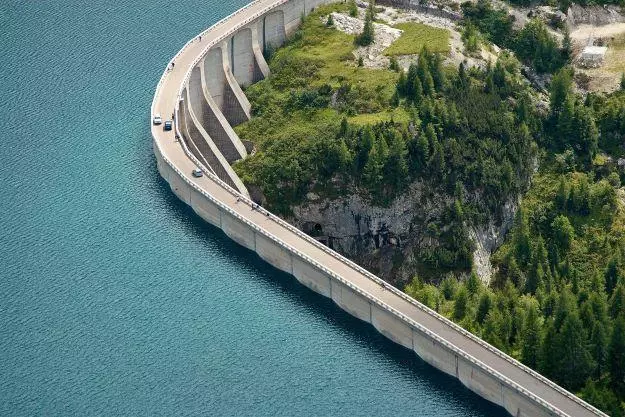
This research cluster focuses on landscape processes, long-term landscape dynamics, dryland environments and human-landscape interactions. 
screenshot 2023 01 24

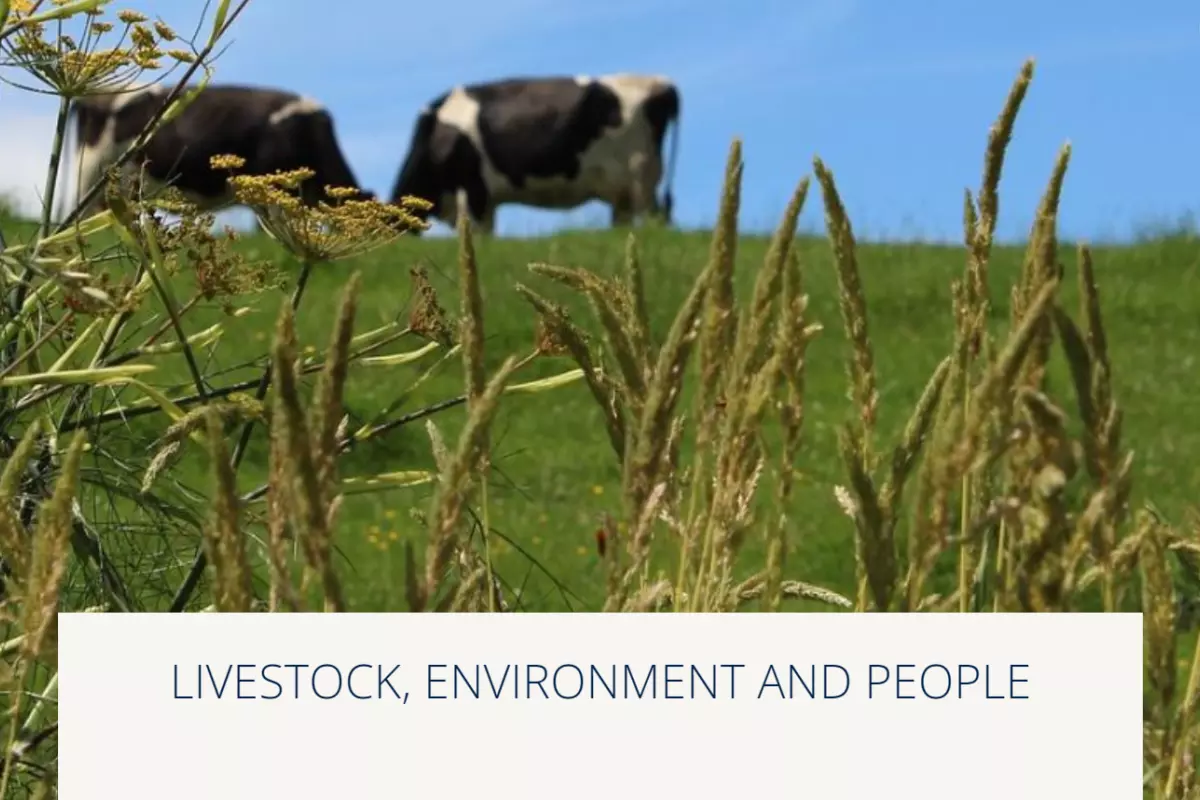
LEAP: Livestock, Environment, and People
The LEAP programme aims to understand the health, environmental, social and economic effects of meat and dairy production and consumption to provide evidence and tools for decision makers to promote healthy and sustainable diets.
leverhulme centre for nature recovery

Leverhulme Centre for Nature Recovery

The Leverhulme Centre for Nature Recovery, based at the University of Oxford will tackle the challenge of halting and reversing this loss of biodiversity by addressing the ecological, social, cultural and economic dimensions of nature recovery in a single framework, harnessing state-of-the-art technologies and thereby developing and testing an innovative model to deliver nature recovery at scale.
biodiversity

Long-Term Ecology

We collect and analyse data spanning a wide range of temporal and spatial scales to understand the processes that underpin diversity, distribution and abundance of plants and animals across global landscapes in space and time.
nature based solutions initiative

Nature-based Solutions Initiative

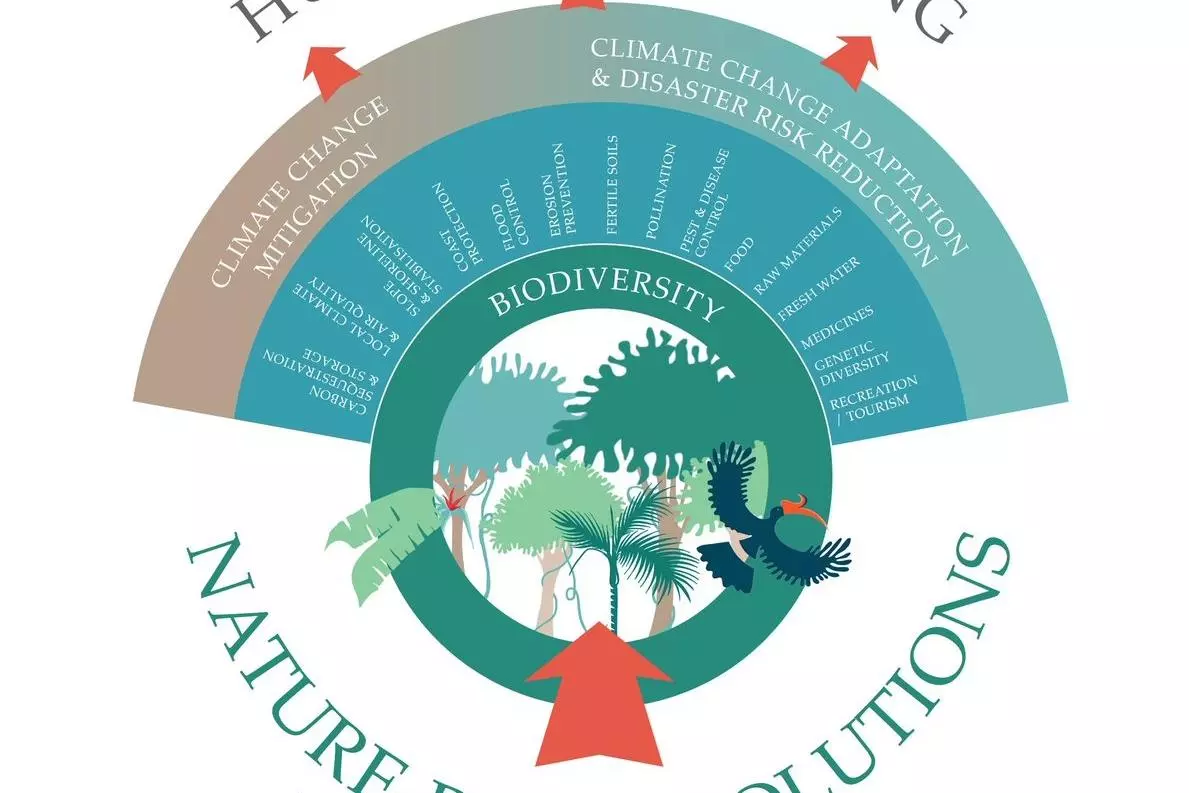
The Nature-based Solutions Initiative is an interdisciplinary programme of research, education and policy advice based at the University of Oxford. Its mission is to enhance understanding of the potential of Nature-based Solutions to address multiple global challenges and support their sustainable implementation worldwide.
Rolls of paper

Net Zero Regulation and Policy Hub

The Net Zero Regulation and Policy Hub aims to meet the enormous ‘implementation gap' between the net zero targets that governments and companies have set, and the policies and actions needed to deliver them.
oceanbug

OCEANBUG - Ocean Biogeochemistry

OceanBug is the Oxford group based in the Earth Sciences department researching marine biogeochemistry. Our research interests span from developing inventive ways to reconstruct oceans of the past, to understanding the adaptation of organisms to changing ocean chemistry in the modern perturbed world – all with ocean bugs at their heart! 

Oxford Centre for Life Writing

Life-writing includes every possible way of telling a life-story, from biography and autobiography, through letters and memoir, to bio-fiction, blogs, and social media such as Tweets and Instagram stories. Writers and researchers are increasingly recognizing how much of writing is life-writing, including poetry and fiction. Through life-writing we can find out more about each other and we also understand ourselves better in relation to the past. 
ocjn banner

Oxford Climate Journalism Network

The Oxford Climate Journalism Network (OCJN) works with a global community of reporters and editors across platforms and beats to improve the quality, understanding and impact of climate coverage around the world. The OCJN is a programme at the Reuters Institute for the Study of Journalism at the University of Oxford.

net zero logo

Oxford Net Zero

Oxford Net Zero is an interdisciplinary research initiative based in the University of Oxford's fifteen years of research on climate neutrality, working to track progress, align standards and inform effective solutions in climate science, law, policy, economics, clean energy, transport, land and food systems and greenhouse gas removal and storage.
global recovery observatory

Oxford University Economic Recovery Project
The Global Recovery Observatory brings transparency to global government spending during the COVID-19 crisis. The intent of the Observatory is to showcase exemplary policy solutions, identify lost opportunities. and direct governments towards more impactful and sustainable investment. The full database is updated regularly and can be downloaded here.
1d9 bwcp 400x400

Oxford University Environmental Sustainability Team

physical oceanography

Physical Oceanography

The Physical Oceanography group uses analytical theory, numerical models and ocean observations to understand the circulation of the oceans and their role in the climate system. It includes scientists in both the Earth Sciences Department and in Atmospheric, Oceanic and Planetary Physics.
planetery climat dynamics

Planetary Climate Dynamics

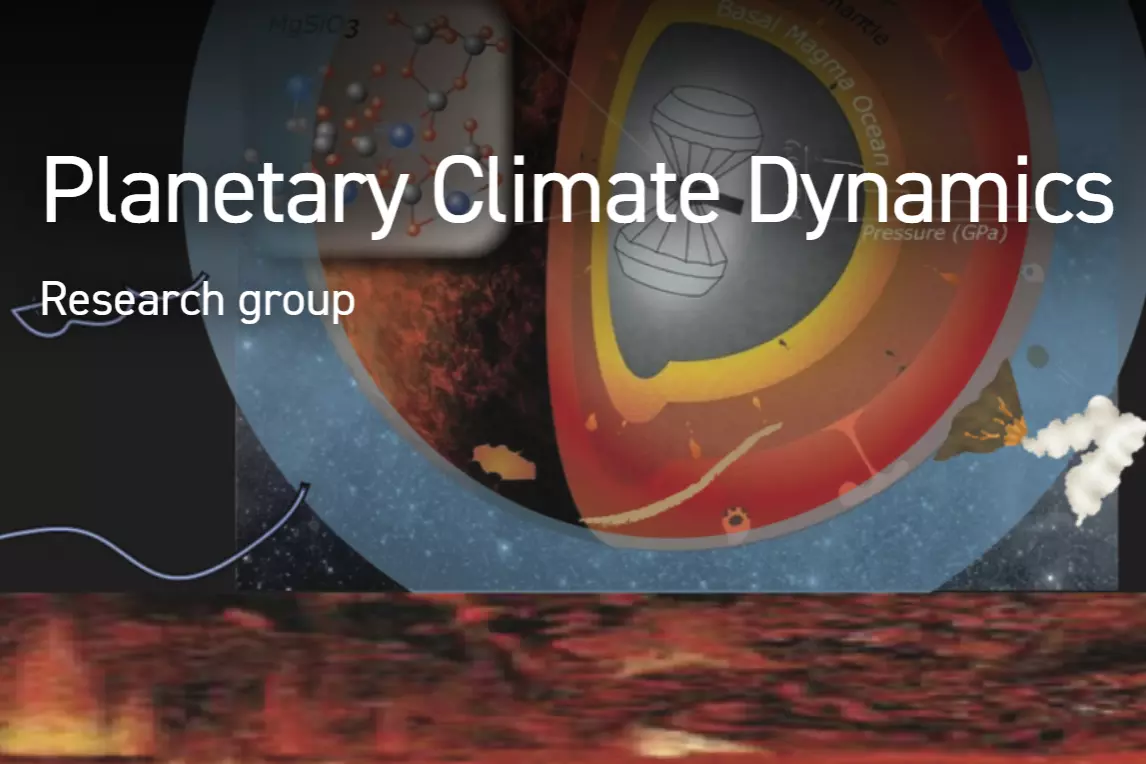
The Planetary Climate Dynamics Research Group carries out research on all aspects of planetary atmospheres and planetary interiors that govern the evolution of planetary climate over time.
logo zoom in

Planetary Health Informatics

Our research combines artificial intelligence technology and international real-world data from a range of real-world health and environmental sources, aiming to improve our data-driven understanding of chronic and communicable diseases, monitor the impact of changes to the climate and environment, and address sources of health inequality across the globe. 
climate dynamics

Predictability of Weather and Climate
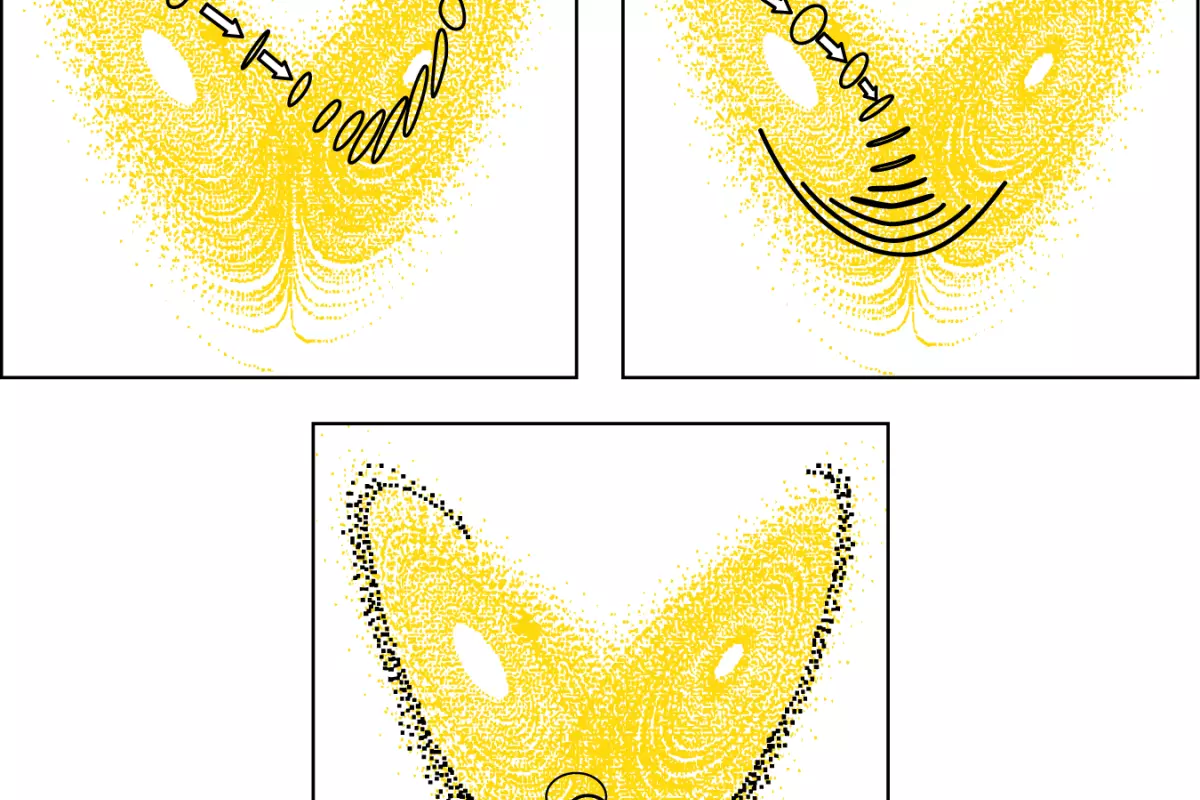
Predictions of weather and climate are inherently uncertain: initial conditions can never be known perfectly, and our weather and climate simulators are necessarily imperfect representations of the underlying laws of physics. 
greenhouse gas

Resources and Environment - Economics
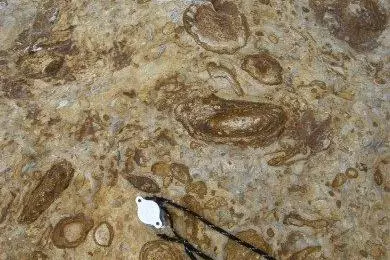
The research of the group focuses on the analysis of resource-rich economies rich in natural resources and on problems associated with natural capital, global warming and environmental economics, with special emphasis on measuring the impact of natural resources and environmental policy and on public finance, mechanism design trade, decision under uncertainty and macro development issues.
rice fields g6cc8f8156

Resources, Greenhouse Gas Emissions, Technology And Work In Production And Distribution Systems: Rice In India
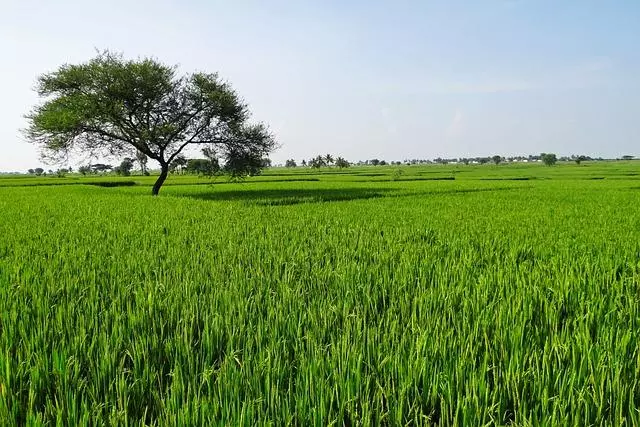
This is an ESRC-DFID funded pilot project, contributing to research on low carbon transitions. It develops a set of micro-level methods that can be usefully applied elsewhere, including in advanced economies. Informal economies, however, have been completely neglected in the debates about climate change and the long awaited materials revolution.
stratigraphy

Stratigraphy and Sedimentology

Stratigraphy and sedimentology are fundamental to our understanding of Earth history because sedimentary strata form the principal archive of past events, climates and environments. Research in Oxford covers broad aspects of stratigraphy and sedimentology, but in particular focuses on integration of data from a range of biological, physical and geochemical sources.
sustainable finance programme

Sustainable Finance

Established in 2012 we work to align finance with sustainability. The centre is multidisciplinary and works globally across asset classes, finance professions, and with different parts of the financial system.
sustainable business law

Sustainable Law Programme

The Oxford Sustainable Law Programme (SLP), launched in 2021, is a rapidly-growing, world-leading hub for research, education, and engagement at the intersection of law and sustainability. We see the law as a tool to catalyse the sustainability transition. Our work is multidisciplinary and informed by practice. 
pexels lukas kloeppel 466685

Sustainable Urban Development

Research on Sustainable Urban Development (SUD) at Oxford seeks to develop advanced knowledge on the challenges and opportunities for developing more sustainable and just urban spaces, communities and politics. The SUD research programme takes an interdisciplinary approach to the study of sustainable urbanism drawing on a full spectrum of research methodologies and philosophies.
table

TABLE

TABLE is a global platform for knowledge synthesis, for reflective, critical thinking and for inclusive dialogue on debates about the future of food.
foalab

Theoretical Dynamics of the Fluid Earth (FOALAB)

The FoaLab is a group of researchers and students working together to elucidate geophysical processes involving fluid mechanics and phase changes. Our research interests include magma/mantle dynamics at plate-tectonic boundaries, the coupled dynamics of ice sheets and subglacial hydrology, and other problems in involving melting, freezing, and fluid flow
transport studies unit

TSU: Energy, Climate and Environment

The TSU's research has shown that technological fixes such as electric vehicles will not solve the climate emissions conundrum on their own; more deep and meaningful change is required to the ways in which we live and move.
volcanology and igneous petrology

Volcanology and Igneous Petrology

Oxford is a leading centre for research in volcanology. We work closely with colleagues in areas as diverse as atmospheric physics, archaeology, biomedical engineering, ecosystem science, environmental microbiology, oceanography and paleomagnetism.
world weather attribution

World Weather Attribution

The project is the first of its kind and answers the question: whether and to what extent does anthropogenic climate change alter the likelihood and intensity of extreme weather events? It does this around the world in real-time, while the event is still unfolding.
young lives banner

Young Lives

Young Lives is a unique longitudinal study of poverty and inequality that has been following the lives of 12,000 children in Ethiopia, India (Andhra Pradesh and Telangana), Peru and Vietnam since 2001.
screenshot 2023 01 24

ZERO Institute

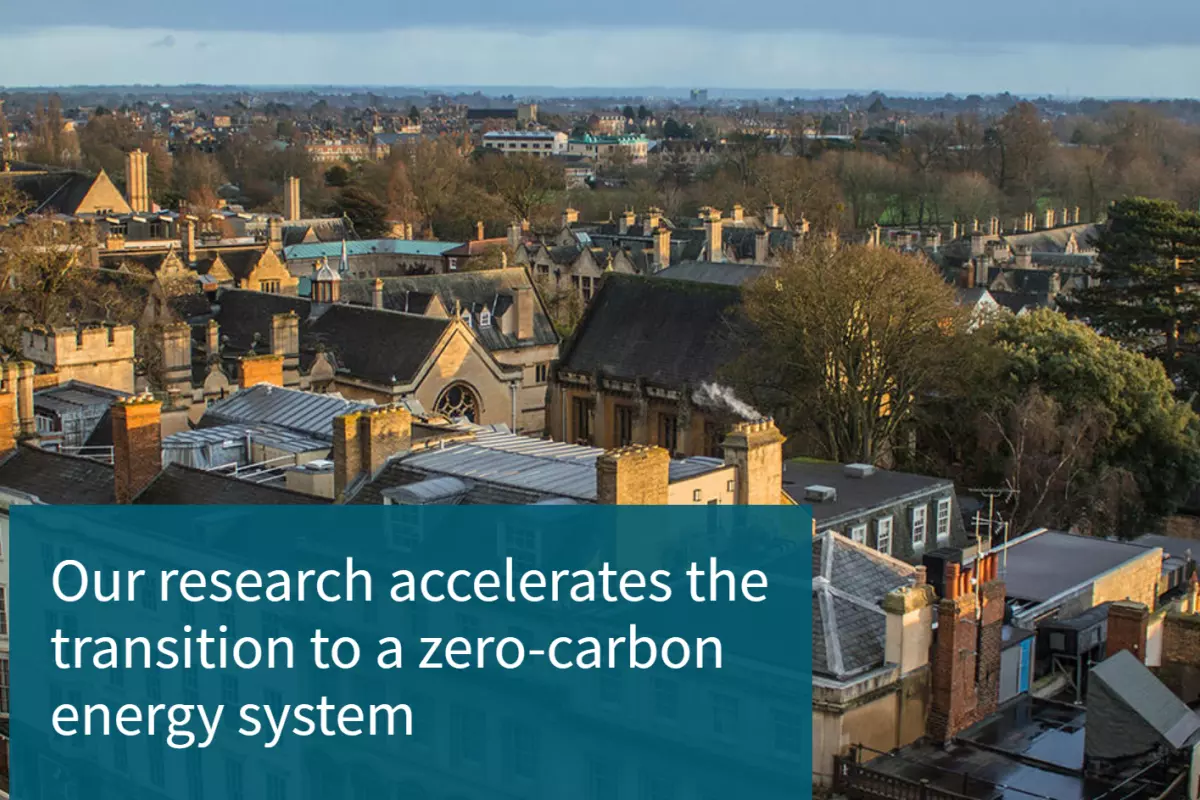
The ZERO (Zero-carbon Energy Research Oxford) Institute brings together researchers from across the University of Oxford to tackle questions surrounding zero-carbon energy systems, elevating Oxford as a centre of research excellence and leadership on the zero-carbon transition. 

Machine Learning Research Group

The Machine Learning Research Group (MLRG) sits within Information Engineering in the Department of Engineering Science of the University of Oxford. We are one of the core groupings that make up the wider community of Oxford Machine Learning & AI (Artificial Intelligence).